Choosing between clear aligners and traditional braces involves more than just aesthetics and comfort. Recent advances in orthodontic care have revealed a crucial connection between tooth alignment and breathing patterns, making airway health a key factor in treatment decisions.
Modern orthodontic treatment recognizes that straightening teeth is just one piece of a larger puzzle. How we breathe, sleep, and develop affects our lifelong health outcomes. Understanding this connection can help you make an informed choice between clear aligners in Metairie and traditional braces—one that supports both your smile and your overall well-being.
The rise of airway-focused orthodontics has transformed how dental professionals approach treatment planning. Rather than focusing solely on tooth positioning, this holistic approach considers how orthodontic interventions can improve breathing patterns, sleep quality, and overall health outcomes for patients of all ages.
Understanding Airway Health and Its Connection to Orthodontics
Proper breathing through the nose is fundamental to good health. When the airway is compromised, it can lead to mouth breathing, which affects facial development, sleep quality, and even cognitive function. Signs of airway issues often include snoring, sleep apnea, chronic mouth breathing, teeth grinding, and difficulty concentrating.
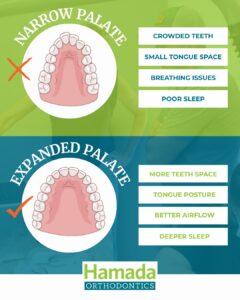
The position and size of your jaws directly impact your airway space. A narrow upper jaw or receding lower jaw can restrict airway passages, forcing the body to compensate through mouth breathing. This creates a cycle where poor breathing patterns can further affect facial development and orthodontic problems.
Many symptoms that parents dismiss as normal childhood behaviors may actually indicate airway issues. Children who struggle with focus, experience mood swings, wet the bed beyond typical ages, or wake up tired may benefit from early orthodontic treatment in Metairie that addresses airway concerns alongside tooth alignment.
Research shows that 80% of jaw growth occurs by age 7, making early intervention crucial. Addressing airway issues during this critical growth period can prevent more complex problems later in life, including the need for surgical interventions or extensive orthodontic treatment.
Traditional Braces: Effectiveness and Airway Impact
Traditional metal braces remain the gold standard for complex orthodontic cases. They provide precise control over tooth movement and can handle severe misalignments that other treatments cannot address. For patients requiring significant jaw expansion or complex bite corrections, braces often deliver superior results.
Advantages of traditional braces include:
- Exceptional effectiveness for complex cases
- Ability to create significant tooth movement
- Works well with palatal expanders to widen the upper jaw
- Typically shorter treatment duration for severe cases
- Cost-effective option for comprehensive treatment
From an airway perspective, traditional braces can be highly beneficial when combined with expansion appliances. Jaw expansion orthodontics using devices like rapid palatal expanders can significantly increase nasal breathing capacity and improve sleep quality. This approach is particularly effective for children and teens whose jaws are still developing.
However, traditional braces also have limitations. They can be difficult to clean thoroughly, potentially leading to gum inflammation that may affect breathing. The brackets and wires can also cause temporary mouth irritation, though this typically resolves as patients adapt to the appliances.
Treatment duration with traditional braces usually ranges from 18 to 36 months, depending on the complexity of the case. For patients with airway concerns, this timeline may be extended to accommodate expansion phases that optimize breathing before focusing on final tooth positioning.
Clear Aligners: Comfort, Aesthetics, and Airway Considerations
Clear aligners have revolutionized orthodontics by offering a nearly invisible treatment option. These custom-made, removable trays gradually shift teeth into proper position without the need for metal brackets and wires. For many patients, particularly adults, clear aligners provide an appealing alternative to traditional braces.
Benefits of clear aligners include:
- Virtually invisible appearance
- Removable for eating and cleaning
- More comfortable than traditional braces
- Fewer emergency appointments
- Easier maintenance of oral hygiene
- Compatible with professional lifestyles
When it comes to airway health, clear aligners offer unique advantages. Because they’re removable, they don’t interfere with normal tongue posture or breathing patterns during sleep. This can be particularly beneficial for patients already dealing with sleep-related breathing disorders.
Clear aligners in Metairie can effectively address many orthodontic issues while supporting airway health. The treatment allows for better oral hygiene, reducing the risk of gum inflammation that could compromise nasal breathing. Additionally, the smooth plastic surface doesn’t create the oral irritation sometimes associated with metal braces.
However, clear aligners have limitations when it comes to complex airway-related treatments. They cannot achieve the same level of expansion as traditional braces combined with palatal expanders. For patients requiring significant jaw widening to improve airway function, traditional orthodontic appliances may be more appropriate.
The success of clear aligner treatment depends heavily on patient compliance. The aligners must be worn 20-22 hours per day to be effective, which requires discipline and commitment from the patient.
Airway-Focused Orthodontics: A Comprehensive Approach
Airway-focused orthodontics represents a paradigm shift in how orthodontists approach treatment planning. This holistic methodology considers the relationship between jaw position, airway space, and overall health outcomes when designing treatment plans.
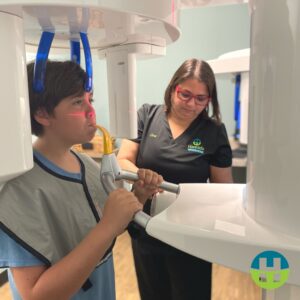
This approach begins with comprehensive airway assessment, including evaluation of breathing patterns, sleep quality, and potential signs of sleep-disordered breathing. Modern diagnostic tools allow orthodontists to visualize airway spaces and identify restrictions that may benefit from orthodontic intervention.
Treatment planning in airway-focused orthodontics often involves expanding the jaws to create more space for the tongue and improve airway dimensions. This can involve palatal expansion, mandibular advancement, or other techniques designed to optimize breathing function alongside tooth alignment.
The benefits extend beyond improved breathing. Patients often experience better sleep quality, reduced snoring, improved focus and concentration, and decreased risk of sleep apnea. These improvements can significantly impact quality of life and long-term health outcomes.
Sleep apnea orthodontics has emerged as a specialized field, with orthodontists working closely with sleep physicians to provide comprehensive care for patients with sleep-disordered breathing. This collaborative approach ensures that orthodontic treatment supports respiratory health while achieving aesthetic goals.
MARPE: Expanding Possibilities for Adult Patients
Miniscrew-Assisted Rapid Palatal Expansion (MARPE) has revolutionized treatment options for adult patients with airway concerns. Traditionally, palatal expansion was only possible in children and teens whose palatal sutures hadn’t yet fused. MARPE allows for significant expansion in adult patients without requiring surgical intervention.
This technique involves placing temporary mini-implants in the palate to anchor an expansion appliance. The MARPE device can widen the upper jaw by several millimeters, creating more space for the tongue and improving nasal breathing capacity.
Adult braces in Metairie combined with MARPE can address both aesthetic and functional concerns in mature patients. Many adults experience significant improvements in sleep quality, reduced snoring, and better nasal breathing following MARPE treatment.
The procedure is minimally invasive and can often be completed in conjunction with either traditional braces or clear aligner therapy. Recovery is typically straightforward, with most patients experiencing only mild discomfort during the expansion phase.
MARPE represents a breakthrough for adults who previously had limited options for addressing airway-related orthodontic concerns. This technique can eliminate the need for more invasive surgical procedures while delivering significant functional improvements.
TMJ Treatment in Metairie: Addressing Comprehensive Oral Health
Temporomandibular joint (TMJ) disorders often coexist with airway issues and orthodontic problems. The position of the jaws affects not only breathing patterns but also the function of the jaw joints. Comprehensive orthodontic treatment must consider TMJ health alongside airway function and tooth alignment.
TMJ treatment in Metairie often involves optimizing bite relationships and jaw positioning to reduce stress on the joint structures. This may require expansion to create proper jaw relationships or repositioning of the lower jaw to improve both joint function and airway space.
Patients with TMJ disorders may experience jaw pain, clicking or popping sounds, headaches, and difficulty opening their mouth. These symptoms can be related to poor jaw positioning that also compromises airway function, making comprehensive evaluation essential.
Treatment approaches may include orthodontic appliances designed to reposition the jaws, bite adjustments, or specialized therapy to address muscle tension. The goal is to achieve optimal jaw relationships that support both joint health and respiratory function.
Choosing the Right Treatment for Your Unique Needs
Selecting between clear aligners and traditional braces requires careful consideration of multiple factors, including the complexity of your case, airway health concerns, lifestyle preferences, and treatment goals. Consultation with a pediatric orthodontist in Metairie or qualified orthodontist specializing in airway health is essential for proper evaluation.
For patients with significant airway restrictions or complex orthodontic needs, traditional braces combined with expansion appliances may provide the most comprehensive solution. This approach allows for maximum control over tooth movement and jaw expansion to optimize both function and aesthetics.
Clear aligners may be appropriate for patients with mild to moderate orthodontic issues who prioritize aesthetics and convenience. However, they may need to be combined with other appliances if significant expansion is required for airway improvement.
Age plays a crucial role in treatment selection. Children and teens can benefit from early intervention that guides growth and development, while adults may require different approaches such as MARPE to achieve similar results.
Holistic orthodontics considers not just tooth position but also facial balance, airway function, and overall health outcomes. This comprehensive approach ensures that treatment addresses underlying causes rather than just symptoms.
Making an Informed Decision for Better Health
The choice between clear aligners and traditional braces should be based on a thorough evaluation of your individual needs, including airway health considerations. Modern orthodontic care recognizes that optimal treatment addresses both aesthetic and functional concerns to support lifelong health and well-being.
Working with an experienced orthodontist in Metairie who understands the connection between orthodontics and airway health ensures that your treatment plan is designed to optimize both your smile and your breathing. This comprehensive approach can lead to improvements that extend far beyond straight teeth, potentially enhancing sleep quality, cognitive function, and overall health.
Whether you choose clear aligners or traditional braces, the key is ensuring that your treatment addresses your unique needs and supports optimal airway function. Take the first step toward better oral health and improved breathing by scheduling a consultation with a qualified orthodontist who specializes in airway-focused treatment. Your future self will thank you for investing in comprehensive care that supports both your smile and your health.