Most parents believe orthodontic treatment is solely about creating straight teeth and beautiful smiles. While these outcomes remain important, a growing body of research reveals something remarkable: the way children breathe directly influences how their faces grow and develop.
Airway-focused orthodontics represents a paradigm shift in dental care. Rather than simply correcting crooked teeth after they’ve emerged, this approach addresses the underlying structural issues that cause breathing problems, sleep disturbances, and developmental challenges. By focusing on the airway first, orthodontists can guide proper facial growth, improve breathing function, and create healthier outcomes that extend far beyond aesthetics.
At Hamada Orthodontics, we understand that this connection between breathing and facial development can transform your child’s health trajectory. When airways are restricted, children compensate by breathing through their mouths, which fundamentally alters how their jaws grow. This seemingly small adaptation can lead to a cascade of issues affecting sleep quality, cognitive function, and overall well-being.
The Science Behind Breathing and Facial Growth
Proper nasal breathing serves as nature’s blueprint for healthy facial development. When children breathe through their noses, their tongues rest naturally against the roof of their mouths. This tongue posture acts as a natural expander, encouraging proper upper jaw development and creating adequate space for teeth to emerge naturally.
Mouth breathing disrupts this delicate process. When children consistently breathe through their mouths, their tongues drop to the floor of their mouths, removing the natural expansion force. The upper jaw remains narrow, creating insufficient space for teeth and potentially restricting the airway further. This creates a cycle where structural problems lead to breathing difficulties, which then worsen the structural issues.
The timing of intervention proves crucial. Research shows that 80% of jaw growth occurs by age 7, making early childhood the optimal window for addressing these developmental concerns. Traditional orthodontics often waits until all permanent teeth emerge around age 12, but by then, the opportunity to guide natural growth has largely passed.
Modern airway-centered orthodontics recognizes that facial growth follows function. When we restore proper breathing patterns early, we can guide natural development processes to create better outcomes for both oral health and overall well-being.
Recognizing the Signs: When Breathing Becomes a Problem
Many symptoms that parents attribute to normal childhood behavior actually indicate underlying airway issues. These signs often appear subtle at first but become more pronounced over time if left unaddressed.
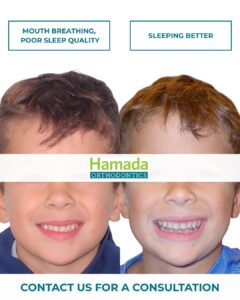
Sleep-related symptoms provide some of the clearest indicators. Children who snore regularly, experience restless sleep, or wake up tired despite adequate sleep time may be struggling with airway restrictions. Night terrors, bedwetting past appropriate ages, and sleep talking can also signal breathing difficulties during rest.
Behavioral changes often accompany airway problems. Children may display difficulty concentrating, mood swings, or hyperactivity that resembles ADHD symptoms. These behaviors frequently stem from poor sleep quality caused by compromised breathing during the night.
Physical signs include persistent mouth breathing, especially during rest or concentration. Parents might notice their children sleeping with their mouths open, experiencing frequent congestion, or displaying dark circles under their eyes. Dental indicators include crowded teeth, a narrow upper jaw, or an overbite that seems disproportionate.
Academic performance can also suffer when airway issues disrupt sleep quality. Children may struggle with memory, attention span, or learning new concepts despite having normal intelligence. These cognitive effects often improve dramatically once breathing issues are addressed through proper orthodontic intervention.
The Critical Window: Why Early Intervention Matters
The concept of timing in orthodontic treatment has evolved significantly with our understanding of airway-focused care. Traditional approaches emphasized waiting for dental problems to fully develop before beginning treatment. However, early orthodontic treatment in Metairie now focuses on preventing problems by addressing their root causes during optimal developmental windows.
Between ages 5 and 7, children’s facial structures remain highly adaptable. The sutures between skull bones haven’t fully fused, making expansion and growth guidance relatively straightforward. During this period, gentle interventions can redirect growth patterns to create adequate space for both proper breathing and tooth alignment.
Early intervention offers several advantages over later treatment. First, it prevents the need for more invasive procedures like tooth extractions or jaw surgery that might become necessary if structural problems are allowed to progress. Second, it addresses breathing issues before they significantly impact sleep quality, learning, and development.
The psychological benefits of early treatment also prove significant. Children who receive timely intervention avoid years of potential sleep disruption, concentration difficulties, and social challenges related to breathing problems or dental appearance. This early investment in their health sets the foundation for better academic performance, social confidence, and overall quality of life.
Parents often express concern about starting orthodontic treatment at young ages, but airway-focused approaches use gentle, non-invasive methods appropriate for growing children. These treatments work with natural growth processes rather than against them, creating sustainable improvements that benefit children throughout their lives.
Advanced Treatment Options: MARPE and Jaw Expansion
Modern orthodontic techniques offer sophisticated solutions for addressing airway restrictions at different ages. Maxillary Skeletal Expansion (MSE) and Miniscrew Assisted Rapid Palatal Expansion (MARPE) represent breakthrough approaches for widening narrow upper jaws in adults that contribute to breathing difficulties.
For children and adolescents, traditional palatal expansion can effectively widen the upper jaw by gradually separating the suture that connects the two halves of the palate. This expansion creates more space for the tongue, improves nasal breathing, and provides adequate room for teeth to align naturally.
MARPE extends these benefits to adults, who were previously told that jaw expansion required surgery. By using temporary anchor devices, MARPE can achieve significant palatal expansion in mature patients, opening airways and creating space for proper tongue posture. This non-surgical approach has revolutionized adult orthodontic treatment, offering solutions for sleep apnea orthodontics and breathing improvements without invasive procedures.
Jaw expansion orthodontics requires careful planning and monitoring. Treatment plans must consider the patient’s age, the severity of airway restriction, and overall facial development patterns. Success depends on proper diagnosis, appropriate timing, and comprehensive follow-up care to ensure stable, long-term results.
These expansion techniques often work synergistically with other treatments. Clear aligners in Metairie might be used alongside expansion to fine-tune tooth positions, while TMJ treatment in Metairie can address joint dysfunction that sometimes accompanies structural jaw problems.
Hamada Orthodontics: Leading Holistic Care in Metairie
Dr. Allison Hamada has pioneered airway-focused orthodontic care in the Metairie area, bringing a comprehensive approach that addresses whole-body health rather than just dental alignment. Her journey into airway-centered treatment began with personal experience when her own daughter struggled with sleep, anxiety, and focus issues that traditional approaches couldn’t resolve.
This holistic orthodontics philosophy recognizes that oral health connects intimately with overall well-being. Rather than treating symptoms in isolation, Dr. Hamada’s practice examines how breathing, sleep, jaw function, and facial development interact to influence a patient’s quality of life.
The practice serves patients across all age groups, from early intervention in young children to adult braces in Metairie for patients seeking to address long-standing breathing and sleep issues. This comprehensive approach ensures that families can receive coordinated care that addresses their specific needs and developmental stages.
As a pediatric orthodontist in Metairie, Dr. Hamada emphasizes education and prevention. Parents learn to recognize early signs of airway issues and understand how orthodontic intervention can prevent future health problems. This proactive approach helps families make informed decisions about their children’s treatment timing and options.
The practice’s commitment to advanced technology and techniques ensures that patients receive the most effective, comfortable treatment available. From digital imaging to modern expansion devices, every tool serves the goal of improving both breathing function and smile aesthetics.
Life-Changing Benefits: Beyond Straight Teeth
Patients who undergo airway-focused orthodontic treatment often experience improvements that extend far beyond dental alignment. Better breathing leads to improved sleep quality, which creates a cascade of positive effects throughout the body.
Sleep improvements typically appear first, with patients reporting deeper, more restful sleep and fewer nighttime disruptions. Children who previously snored or experienced restless nights often begin sleeping soundly within weeks of beginning treatment. This improved sleep quality directly impacts daytime energy levels, mood stability, and cognitive function.
Academic and professional performance frequently improves as concentration and memory function benefit from better sleep and oxygenation. Children may see their grades improve, while adults report better focus and productivity at work. The connection between proper breathing and brain function becomes clear as treatment progresses.
Physical benefits include reduced facial tension, fewer headaches, and improved athletic performance due to better oxygen intake. Many patients also notice improvements in their facial appearance as proper jaw development creates better proportions and more attractive smile aesthetics.
Long-term health benefits can be substantial. By addressing airway restrictions early, patients may reduce their risk of developing sleep apnea, cardiovascular problems, and other health issues associated with chronic breathing difficulties. This preventive approach represents a significant investment in lifelong wellness.
Your Child’s Breathing Foundation for Lifelong Health
The connection between breathing and facial development represents one of the most important advances in modern orthodontic care. By understanding how airway function influences growth patterns, parents can make informed decisions that benefit their children’s immediate comfort and long-term health.
Airway-centered orthodontics offers hope for children struggling with sleep disturbances, concentration difficulties, and developmental challenges that traditional approaches might miss. Early intervention during critical growth periods can redirect development patterns, creating healthier outcomes that last a lifetime.
The investment in airway-focused treatment pays dividends in improved sleep quality, better academic performance, enhanced self-confidence, and reduced risk of future health problems. When children can breathe properly, sleep soundly, and develop naturally, they’re equipped to reach their full potential in every aspect of life.
If you’ve noticed signs of breathing difficulties, sleep disruptions, or developmental concerns in your child, consider scheduling a consultation with an orthodontist in Metairie who specializes in airway-focused care. Early evaluation can identify issues before they become significant problems and provide treatment options that support your child’s optimal development.
Remember that 80% of jaw growth occurs by age 7. The window for guiding natural development is limited, but the benefits of timely intervention can last a lifetime. Your child’s breathing today lays the foundation for their health, happiness, and success tomorrow.